
.jpg)
.jpg)
This module is specifically designed to provide a stable DC power supply for controllers, I/O modules, and communication units housed within the racks of a Distributed Control System (DCS). Upon receiving an external AC or DC input, the power passes through an EMI filtering circuit that eliminates grid-related spikes and harmonic interference. It then undergoes high-frequency switching conversion, voltage regulation, and galvanic isolation to produce the precise DC voltage required by the system’s modules. The module features integrated voltage-sampling and current-monitoring circuits, which facilitate real-time, closed-loop output regulation. In the event of an overload, short circuit, overvoltage, or undervoltage condition, built-in protection circuitry rapidly triggers current limiting or shuts down the output, preventing damage to the downstream DCS components. Simultaneously, the module transmits status signals to the system, enabling the host controller to perform power-supply diagnostics and issue alerts. Furthermore, the module incorporates a galvanic isolation design that electrically separates the primary power input circuit from the secondary control circuitry; this blocks the transmission of grid-borne interference into the control system, ensuring the continuous and stable operation of the DCS control logic.
Many products have not yet been listed online; please contact us for information on additional items.
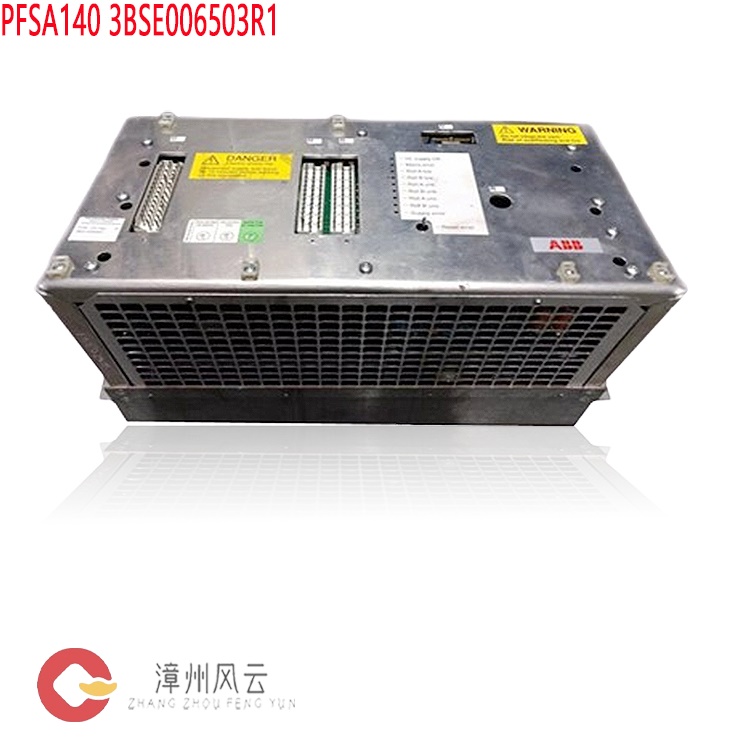
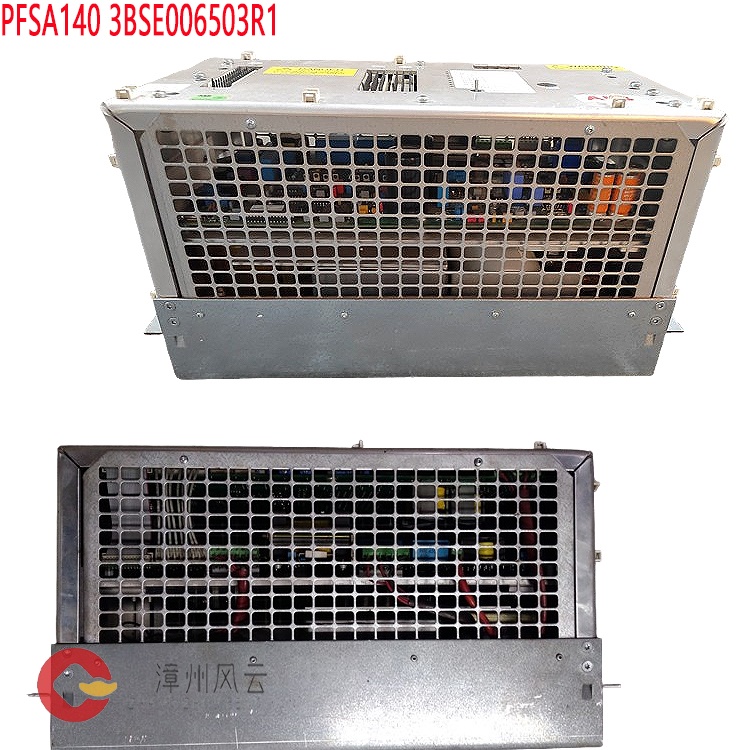
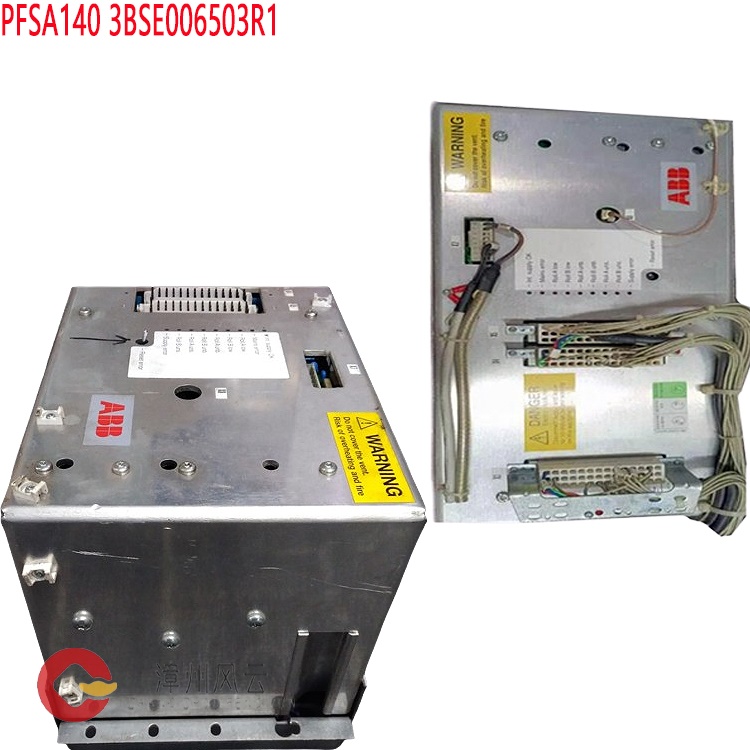
If a product model does not match the displayed image, the model number takes precedence. Please contact us if you would like to see specific product photos; we can arrange for our warehouse team to take pictures for verification.
We operate 76 shared warehouses globally, so it may occasionally take a few hours to provide you with an accurate response. We appreciate your patience and will address your inquiries as quickly as possible.
I. Operating Principle
The ABB PMSK 115 3BSE007999R1 is a rack-mounted switching power supply module designed for the ABB Advant DCS (Distributed Control System). It provides a stable DC power supply to controllers, I/O modules, and communication units housed within the DCS rack. Upon receiving an external AC or DC input, the module first passes the power through an EMI filtering circuit to eliminate grid spikes and harmonic interference. It then undergoes high-frequency switching conversion, voltage regulation, and output isolation to convert the input voltage into the specific rated DC voltage required by the system components. The module features built-in voltage sampling and current monitoring circuits for real-time, closed-loop output regulation. In the event of an overload, short circuit, overvoltage, or undervoltage condition, the internal protection circuitry triggers current limiting or shuts down the output, preventing damage to the downstream DCS boards caused by power anomalies. Simultaneously, the module sends status signals to the system, allowing the host controller to perform power supply diagnostics and issue alarms. The module’s isolation design electrically separates the primary power circuit from the secondary control circuit, blocking grid-borne interference from reaching the control system and ensuring the continuous, stable operation of the DCS control logic.
II. Product Advantages
Strong System Compatibility: Designed specifically for the ABB Advant series DCS racks, this module integrates seamlessly with controllers, I/O modules, and AF100 communication cards from the same series. No additional conversion equipment is required, making it an ideal choice for replacing spare parts or expanding and upgrading legacy Advant systems. Industrial-Grade Interference Resistance: Designed with high-standard Electromagnetic Compatibility (EMC), this unit effectively withstands electromagnetic interference from variable frequency drives (VFDs), high-voltage motors, and switchgear, ensuring reliable, continuous operation in environments with intense electromagnetic activity.
Integrated Multi-Layer Protection: Features built-in overvoltage, undervoltage, short-circuit, overload (current-limiting), and overtemperature protection. Rapid response to faults minimizes the risk of damage to DCS hardware and reduces losses from unplanned downtime.
Stable, Consistent Output: Employs closed-loop voltage regulation to ensure low ripple and high output precision. It provides a "clean" power supply to precision control modules and analog data acquisition units, mitigating issues such as signal drift and data acquisition distortion.
Standardized Rack-Mount Design: Designed for compatibility with DCS backplane plug-in architectures, allowing for organized installation and space-efficient integration within control cabinets. It also supports the implementation of standardized, redundant power supply architectures.
Long-Term Reliability and Durability: Built with industrial-grade, wide-temperature-range components, the unit is designed for 24/7 continuous operation. It serves as a long-life, essential power supply component for DCS systems in process industries.
III. Applicable Industries and Functions
As a core power supply component for DCS control systems, this module is widely used across process automation industries, providing the foundational power required for complete automated control systems.
Power Industry: Used in auxiliary equipment control for power plants and DCS monitoring systems for substations. It ensures a stable power supply for unit regulation, data acquisition, and interlock protection circuits, preventing accidental system trips caused by power fluctuations.
Chemical and Petrochemical Industries: Deployed in refining, fine chemical production, and oil/gas processing facilities. It supports the continuous monitoring and regulation of pressure, flow, liquid level, and temperature, preventing process instability or safety risks that could arise from power interruptions.
Paper Industry: Utilized in DCS control systems for paper production lines. It ensures a stable power supply for critical components—such as paper machine drives, moisture/basis weight control systems, and steam regulation modules—thereby maintaining the continuity of the production process. Metallurgical and Non-ferrous Metal Industry: Used in control cabinets for steel rolling, aluminum smelting, and copper processing lines—environments characterized by high temperatures and dust—to ensure the continuous operation of automated control systems for rolling, smelting, and heat treatment processes.
Water Treatment Industry: Applied in the automated control systems of municipal wastewater and water purification plants, providing a continuous power supply for pump-valve interlocks and online water quality monitoring units.
Process Manufacturing Industries (e.g., Cement, Pharmaceuticals): Utilized during DCS (Distributed Control System) upgrades or the replacement of legacy system components to stabilize power for control systems, thereby reducing the frequency of production downtime for maintenance.
Core Industrial Function: This module serves as the power foundation for the DCS. A power failure would render controllers, I/O modules, and communication units inoperable. By providing a continuous, clean, and protected power supply, the module ensures the reliable execution of process parameter acquisition, logic operations, remote command issuance, and safety interlock functions—making it an essential component for continuous, safe production in process plants.
IV. Operating Procedures
Before proceeding, ensure familiarity with DCS shutdown protocols and strictly adhere to the facility’s electrical work permit system.
Preliminary Inspection: Upon unboxing, inspect the module for physical damage (dents, impacts) and ensure the terminals are not deformed. Verify that the model number is PMSK 115 3BSE007999R1 . Check the rack backplane, circuit breakers in the power supply loop, and terminal blocks to ensure they are in good condition. Confirm that the input power specifications match the parameters listed on the module’s nameplate.
Power-Down Procedure (for non-redundant, single-power supply configurations): Disable relevant process interlocks, exit automatic control mode, and perform a system shutdown according to established operating procedures. Open (turn off) the upstream circuit breaker for the power supply loop and use a multimeter to verify that there is zero voltage at the input terminals. In redundant power supply architectures, the module can be replaced while the system is online; follow the facility’s specific procedures for replacing redundant components. Module Removal and Installation: Release the module faceplate latch and slide the old power supply module out steadily along the rack guide rails. Align the new module with the backplane slot, push it straight in, ensure the backplane connector is fully engaged, and secure the faceplate latch.
Wiring Verification: Connect the input power cables according to the schematics and tighten the terminals. Verify that there are no loose connections, incorrect wiring, or short circuits. Ensure the grounding terminal is reliably connected to the control cabinet’s protective earth (PE).
Power-up and Commissioning: Confirm that all modules within the rack are properly installed and secure, then close the upstream power supply switch. Observe the module’s power indicator; once powered on correctly, the operation indicator should remain steadily lit. Use a multimeter to measure the output voltage and verify that it falls within the permitted rated range.
System Validation: Log in to the DCS (Distributed Control System) workstation, check the power supply diagnostic status, and confirm there are no active power alarms. Test the corresponding I/O points and communication links to ensure that data acquisition and control functions have been restored, then gradually re-enable automatic control and interlock functions.
V. Precautions
Safety Standards: For non-redundant systems, power must be disconnected before removing or installing modules; "hot-swapping" (inserting or removing modules while powered) can easily damage the backplane bus and the modules themselves. Work on high-voltage circuits requires appropriate certification and the issuance of an electrical work permit.
Environmental Control: Keep the interior of the control cabinet dry and dust-free. Prevent moisture, corrosive gases, or dust from accumulating near the module’s cooling vents. Keep the equipment away from heat sources, ensure that cooling air paths remain unobstructed, and do not block any ventilation openings.
Power Supply Compatibility: Never connect an input voltage that exceeds the range specified on the nameplate, and do not modify the internal circuitry. In redundant power supply configurations, ensure that the phase and voltage parameters of both power sources are matched. Troubleshooting: If the fault indicator illuminates upon power-up or the system repeatedly trips due to protection mechanisms, do not repeatedly attempt to force a restart. Investigate the downstream circuitry for short circuits or faults in connected module loads; proceed with further testing only after external issues have been resolved. Do not attempt to disassemble or repair the module on-site; replace it with a spare unit.
Electrostatic Protection: Wear an anti-static wrist strap during installation or removal, as static electricity can damage the precision semiconductor components inside the module. Store spare units in anti-static packaging, ensuring the storage environment meets industrial standards for temperature and humidity.
Spare Parts and Compatibility: Use only the original manufacturer’s unit (model PMSK 115 3BSE007999R1) for replacement; do not mix with power supply units from other series. Before performing any upgrades or modifications, verify compatibility with the DCS system firmware and backplane version.
Routine Maintenance: Regularly inspect the status of indicator lights and monitor terminal temperatures; maintain a log of power supply alarms. It is recommended to stock this model in accordance with your facility’s spare parts strategy to minimize downtime during emergency repairs.
Recommended products:
PPD513A25-111615 3BHE039724R2565
3BHE039724R193 PPD513A
3BSE069296R1 PP885R
3BHE041626R0101 PDD405A101
3BSE003387R1 SA161
1KHW001356R0004 P4RX
HIEE300766R0001 GD B021 BE01
3BHE020455R0001 PPD113
3BHE02384R2630 PPD103
3BHE039724R0E41 PPD513
PVS800-57B X51...55 3AXD50000044934
PVS800-57B X10 3AXD50000044926
More......

.jpg)


Address
Room 205, Office Building, No.1 Chaoyang North Road, Longwen District, Zhangzhou City, Fujian Province
fengyunfadacai@qq.com
Sales consultant
Miss.Green
+86 15860249102